
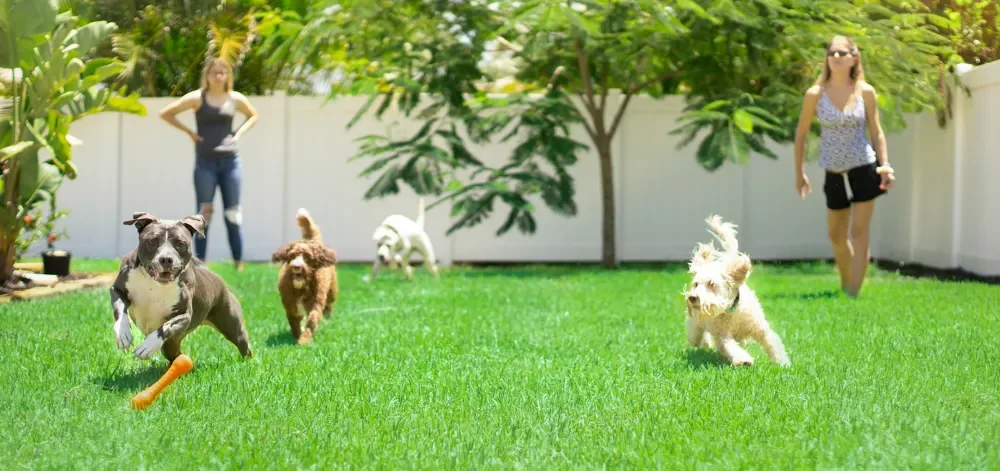
You drop your dog off at daycare, head to work, and wonder the same thing many Austin pet parents do: Are dog daycares safe?
The honest answer is nuanced. A well-run dog daycare can enrich a dog’s life, build confidence, and reduce boredom. A poorly managed one, though, can create stress, illness, or bad habits. The difference comes down to how the facility operates behind the scenes.
Austin’s active culture means many dogs spend long hours alone while owners work, making doggy daycare an increasingly popular solution. But not every daycare or day care environment is designed the same way.
This guide explains how safety really works in modern dog daycare settings and how to choose one where your dog can truly thrive.
ARE DOG DAYCARES SAFE? WHAT EVERY AUSTIN DOG OWNER SHOULD KNOW
Dog daycares can absolutely be safe when they follow strong screening, supervision, and facility standards. The challenge is that quality daycares vary widely.
Safety depends less on the idea of daycare and more on execution.
Important considerations include:
- Staff education and observation skills
- Thoughtful playgroup composition
- Clean, purpose-built spaces
- Clear health policies
- Honest behavioral evaluations
Research from the National Institutes of Health shows that carefully structured social exposure helps dogs develop healthier coping skills and communication behaviors.
From a behavioral standpoint, predictable routines help regulate cortisol, the hormone associated with stress. Dogs placed in structured environments with rest periods typically show calmer recovery patterns than those exposed to constant stimulation.
When dogs remain in a heightened state of arousal for long periods, stress hormones stay elevated, making relaxation and healthy social responses more difficult.
Many first-time visitors notice something telling during a tour: relaxed dogs resting comfortably between activity sessions rather than nonstop motion. That calm rhythm is often a strong indicator of a safe daycare environment.
For an Austin dog owner searching for dog daycare help, the goal is not simply supervision. The goal is structured enrichment that supports long-term dog behavior and emotional balance.
4 SIGNS OF A SAFE DOG DAYCARE FACILITY
Walking into a daycare facility should immediately give you confidence. Strong safety practices are visible long before your dog joins play.
1. Thoughtful Screening and Matching
Quality facilities conduct temperament evaluations before acceptance. Programs like ATX Dog Camp’s daycare build individualized profiles that track personality traits, play preferences, and compatibility history so dogs interact with appropriate companions instead of random groupings common in some doggie daycare settings.
2. Well-Trained Staff
Experienced daycare staff understand canine communication signals such as avoidance, stiffness, or escalating play intensity. Extended onboarding helps handlers learn how to intervene early and maintain positive interactions. Additionally, the staff should also hold certifications in pet first aid, canine behavior, and/or fear-free handling.
3. Purpose-Built Spaces
Environmental enrichment reduces stress and promotes emotional regulation in dogs.
Also, look for:
- Secure fencing and controlled transitions
- Separate play areas organized by comfort level
- Outdoor spaces that are suited to Austin’s heat
- Clean surfaces and freshwater stations
4. Calm, Structured Energy
Safe facilities feel organized rather than loud or chaotic. Dogs rotate between activity, enrichment, and downtime.
Pro Tip: If the environment feels overwhelming to you, it likely feels overwhelming to a dog.
COMMON DOG DAYCARE RISKS AND HOW QUALITY FACILITIES PREVENT THEM
Even excellent daycare environments carry some risk. Transparency about those risks reflects professionalism.
- Illness Transmission – Respiratory illnesses, such as kennel cough, spread easily when dogs gather. Guidance from the American Veterinary Medical Association (AVMA) confirms that shared canine environments increase exposure risk. Quality daycares reduce risk through vaccination policies, sanitation routines, and daily monitoring.
- Conflicts Between Dogs – Dogs communicate through subtle signals long before conflict occurs. Skilled supervision recognizes tension early and redirects energy through structured play.
- Overstimulation – Continuous excitement elevates stress hormones and reduces a dog’s ability to self-regulate. Facilities that schedule rest breaks allow a dog’s nervous system to reset, helping dogs remain relaxed throughout the day.
- Behavioral Fallout – Unstructured environments might reinforce jumping, reactivity, or poor impulse control. Structured daycare supports healthy dog behavior by guiding interactions rather than allowing uncontrolled play.
IS YOUR DOG A GOOD FIT FOR DAYCARE? HOW TO KNOW
Dogs exist on a social spectrum. Some thrive in group environments. Others prefer quieter routines.
Dogs that often benefit include:
- Social adult dogs seeking engagement
- Active breeds needing daily outlets
- Dogs experiencing mild separation anxiety
Based on observations in structured daycare environments, supervised social interactions can help reduce boredom-related behaviors when appropriately managed.
Dogs that might need an alternative to a doggy day care include:
- Very young puppies
- Senior dogs needing a slower pace
- Dogs with medical concerns
- Fearful or reactive dogs
- Anxious dogs with escape artists tendencies
A reputable daycare facility will honestly communicate when daycare is not the best fit. That transparency protects both the individual dog and the broader group.
Alternatives could include private dog walkers, enrichment visits, or structured dog training programs instead of traditional doggy daycare.
QUESTIONS TO ASK WHEN TOURING AN AUSTIN DOG DAYCARE
A tour will reveal more than marketing ever can. Ask questions; vague answers or reluctance to discuss these topics are red flags.
Also, make sure you feel comfortable with:
- Staff training requirements
- Onboarding and emergency protocols
- Playgroup composition (how many dogs per group and how the groups are determined)
- The staff-to-dog ratio
- How dog conflicts are handled
- What a typical day looks like
- How updates are shared with owners
While touring, observe:
- Dogs’ body language (is it relaxed)
- Staff actively engaging with dogs
- Manageable sound levels
- Clean and organized spaces
Austin’s warm climate makes the facility’s outdoor design especially important. Shade, airflow, and natural surfaces (like real grass, not artificial surfaces) help dogs stay comfortable during active play.
WHY STAFF TRAINING IS THE MOST IMPORTANT SAFETY FACTOR
Facilities don’t create safety; people do.
Experienced handlers learn to recognize early warning signs of stress through posture, movement patterns, and vocal changes. Addressing tension early prevents escalation.
At ATX Dog Camp, the staff must complete two or more months of onboarding before leaading and facilitating play, and they collaborate with Austin Animal Control on best practices to ensure handlers meet professional standards.
Pro Tip: Dogs cared for by familiar staff often settle faster because predictability lowers stress responses, creating a safer environment. High turnover, by contrast, introduces inconsistency that can increase anxiety within any daycare environment.
WHY PLAYGROUP SIZE AND COMPOSITION MATTER FOR YOUR DOG’S SAFETY
Safety depends less on numbers and more on compatibility.
Grouping dogs by temperament allows natural play styles to emerge while reducing social pressure and accidental injuries. Matching energy levels prevents enthusiastic players from overwhelming calmer companions.
ATX Dog Camp maintains four specialized play yards, organized by dog size and personality, so dogs can interact with compatible playmates rather than being thrown into a one-size-fits-all environment. Handlers also document daily behavioral notes so patterns in play style, stress signals, and social preferences can be tracked over time.
Most adult dogs benefit from attending daycare several days per week rather than every day. Recovery time helps prevent fatigue and supports healthier engagement.
WHAT HAPPENS IF SOMETHING GOES WRONG? EMERGENCY PREPAREDNESS
Even in excellent environments, incidents can occur. Preparation defines professionalism.
Quality facilities maintain the following:
- Clear incident communication procedures
- Established veterinary partnerships
- Fire safety planning
- Transparent liability policies
Owners should ask about emergency protocols before enrolling. Is there a relationship with a nearby vet? What’s the procedure if a dog is injured?
Transparent communication is essential. Quality facilities notify owners promptly about any incidents, behavioral concerns, or health observations rather than hiding problems.
It’s also important to review the daycare’s liability policies and make sure you understand what’s covered. Reputable facilities carry insurance and have clear policies regarding liability for injuries.
CHOOSING THE RIGHT DAYCARE MEANS CHOOSING PEACE OF MIND
Dog daycare can be one of the most valuable tools for supporting a dog’s mental and physical well-being (when chosen carefully).
A high-quality program provides:
- Structured socialization
- Enrichment tailored to individual needs
- Supervised interaction
- Predictable routines that reduce stress
Austin’s dog-friendly lifestyle makes daycare an appealing option for many working households. From boutique doggy day care programs to combined dog boarding services, there are plenty of choices. But thoughtful evaluation is important.
If you’re looking for dependable dog daycare grounded in outdoor enrichment and individualized care, ATX Dog Camp is an example of what intentional design looks like. The right daycare does more than supervise a dog for the day. It supports confidence, healthier behavior patterns, and a calmer return home.
Please contact ATX Dog Camp for more information.