
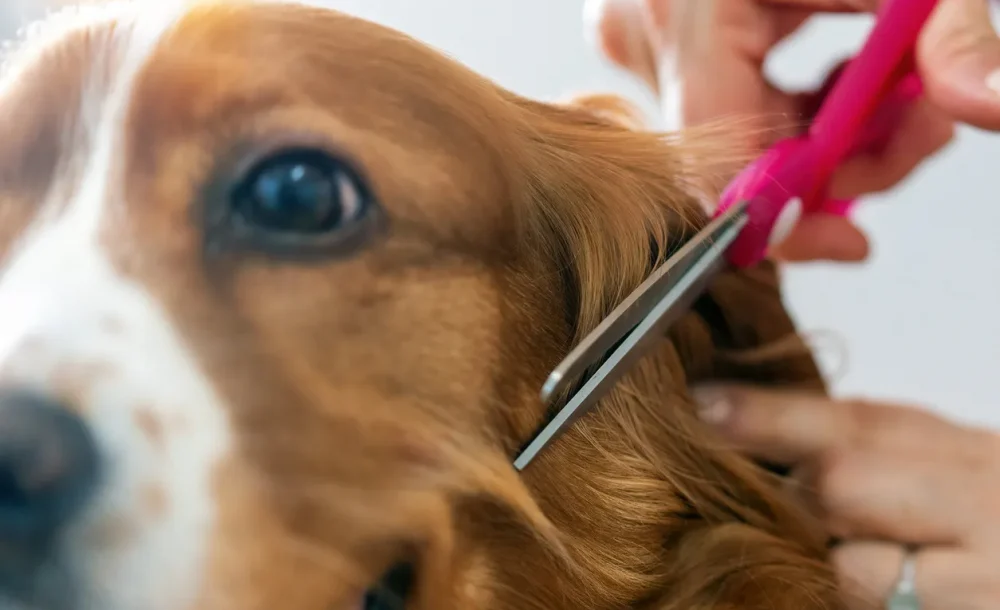
What Regular Dog Grooming Actually Does – Beyond Making Your Dog Look Clean
At ATX Dog Camp, we talk with pet parents every day who think dog grooming is mostly about keeping their dog looking clean. The truth is: it’s a full care routine that supports your pet’s long-term comfort and health. A proper grooming session includes bathing, regular brushing, ear cleaning, coat maintenance, and a nail trim. Each step plays a part in how your dog feels and moves.
Generally, our furry friends benefit from professional dog grooming every 4–8 weeks. Of course, the right schedule depends on breed, activity level, and coat type. Dogs that spend time outdoors running on grass or playing in groups pick up more debris and odor than indoor dogs, so they often need more frequent care.
Our doggie day camp makes regular grooming simple. We offer dog bathing during daycare so that your dog gets cleaned up after a full day of play. This add-on service saves you time and keeps your routine easy to manage.
Coat Health and Shedding: What Gets Worse When Grooming Is Skipped
Your dog’s coat protects their skin and helps control temperature. When care is consistent, it stays smooth and flexible as regular brushing spreads natural oils across the coat, which improves texture and strength.
When grooming is skipped, coats can become dry, brittle, or prone to tangling. Matting can also build slowly and is often missed at first. These tight knots of fur pull on the skin, trap moisture, and can lead to irritation. It may look minor, but it can cause considerable discomfort for your pup over time.
Shedding is also easier to manage with routine care. While shedding cannot be stopped, it can be reduced. Another factor to consider is that when dogs spend time outside, they pick up debris that can speed up coat breakdown between grooming sessions. Keeping up with care helps limit that buildup and supports better coat condition.
Nail Care and Posture: The Grooming Benefit Most Owners Overlook
Nail care has a direct impact on how a dog moves. When nails grow too long, they push the toes into an unnatural position. This shifts weight across the paw and changes how your dog walks. This added pressure can lead to strain.
In fact, research on canine biomechanics shows that force in the foot can travel up the leg and affect the spine. That’s why regular nail trimming matters more than most owners expect. The AKC states that most dogs need nail trims every 3–4 weeks. If your dog spends time on grass or soft surfaces, the nails won’t be worn down the same way that if they were on pavement. This makes routine trimming essential.
Additional health benefits of nail trimming include the ability of professional groomers to assess nail length, paw pad condition, and early signs of gait-related discomfort. These are details that are easy to miss at home but can still impact your dog’s comfort.
Early Health Detection: What a Groomer Can Catch That You Might Miss at Home
Each grooming session gives a professional groomer time to closely check your dog from head to tail. This creates an opportunity for early detection of problems before they become serious. Professional dog groomers can spot signs of health issues like irritation, lumps, or flea activity.
They may also notice changes in behavior during handling. These small details are easy to overlook during daily routines at home. While this kind of observation does not replace a vet visit, it can help pet parents address concerns before they grow into bigger health problems.
Hygiene, Odor, and Skin Health: Why Clean Dogs Are Healthier Dogs
Odor does not just appear overnight. It builds from bacteria, yeast, natural oils, and environmental debris that settle into the coat. Without regular dog grooming, this buildup can lead to irritation, clogged pores, and discomfort. Bathing helps remove these elements before they create larger skin problems.
Dogs that spend time outdoors need more frequent care. Running on grass, playing in groups, and exploring natural surfaces exposes them to dirt, allergens, and microorganisms that indoor dogs simply do not encounter as often. This added exposure increases the need for consistent bathing to keep the skin balanced and the coat in good condition.
At ATX Dog Camp, dogs spend their day on large outdoor yards, which means they come home having had a full, active experience. That also means they pick up more debris along the way. Adding a bath at the end of daycare helps reset their hygiene without adding another stop to your schedule. It keeps your dog clean while making your routine easier.
Bathing needs to be done the right way to be effective. Over-bathing with harsh or generic shampoos can strip away natural oils, leaving the skin dry and irritated. Professional grooming avoids this by using products suited to your dog’s specific coat and skin type. This approach keeps the coat clean while maintaining the natural balance that supports long-term skin health.
Ear Care and Infection Prevention: A Routine Grooming Step with Outsized Impact
No matter what breed your dog is, ear cleaning should be a key part of their pet grooming routine. Because dogs have an L-shaped ear canal, it traps moisture and debris more easily than human ears. This increases the risk of an ear infection if ears are not cleaned regularly.
Floppy-eared breeds – such as Cocker Spaniels, Basset Hounds, Poodles – are at significantly higher risk for ear infections due to reduced airflow and increased moisture retention. This is due to floppy ears trapping moisture and reducing airflow, creating conditions where bacteria and yeast thrive. If your breed has floppy ears, ear cleaning needs to be a key part of regular dog grooming.
During grooming sessions, a groomer checks for redness, odor, and buildup in the ears. These signs can point to early problems that need attention. Dogs that play outdoors or in groups should have their ears checked more often due to added exposure.
The Emotional Benefits of Grooming: Stress, Handling Comfort, and the Bonding Factor
Grooming plays a bigger part in your dog’s emotional well-being than most people expect. It shapes how your dog responds to touch, handling, and even routine care like vet visits. When grooming is introduced in a calm, steady way, it helps your dog feel more at ease.
Dogs that are regularly handled – including their paws, ears, coat, and face – build a higher tolerance for physical contact. This makes future grooming sessions and vet exams much smoother. In many cases, resistance to grooming is not about personality. It often comes from limited exposure. When dogs are given time to adjust, they learn that handling is a normal part of their routine.
The approach matters. Research shows that rushed or forceful handling can increase fear and lead to stress during future visits. A slower, more patient method creates better long-term results. Dogs begin to associate grooming with a familiar and controlled experience instead of something to avoid.
This is one reason daycare can make a difference. Dogs that spend time in structured daycare environments are handled more often by trained staff. That repeated, positive contact builds comfort with human touch, which often carries over into grooming sessions.
For pet parents, grooming at home can also support this process. Taking time for calm, focused care helps strengthen your connection with your dog. It creates a moment of trust that goes beyond play or exercise and supports a more relaxed experience during every part of their care routine.
Make Grooming Part of Your Dog’s Day at ATX!
At ATX Dog Camp, you can add grooming to your dog’s daycare visit for a simple, stress-free routine while enjoying the full benefits of dog grooming. After a full day of play, your dog heads home clean and comfortable. Book your next visit and add grooming for an easier way to keep your dog feeling great!
Contact us today to get started!